
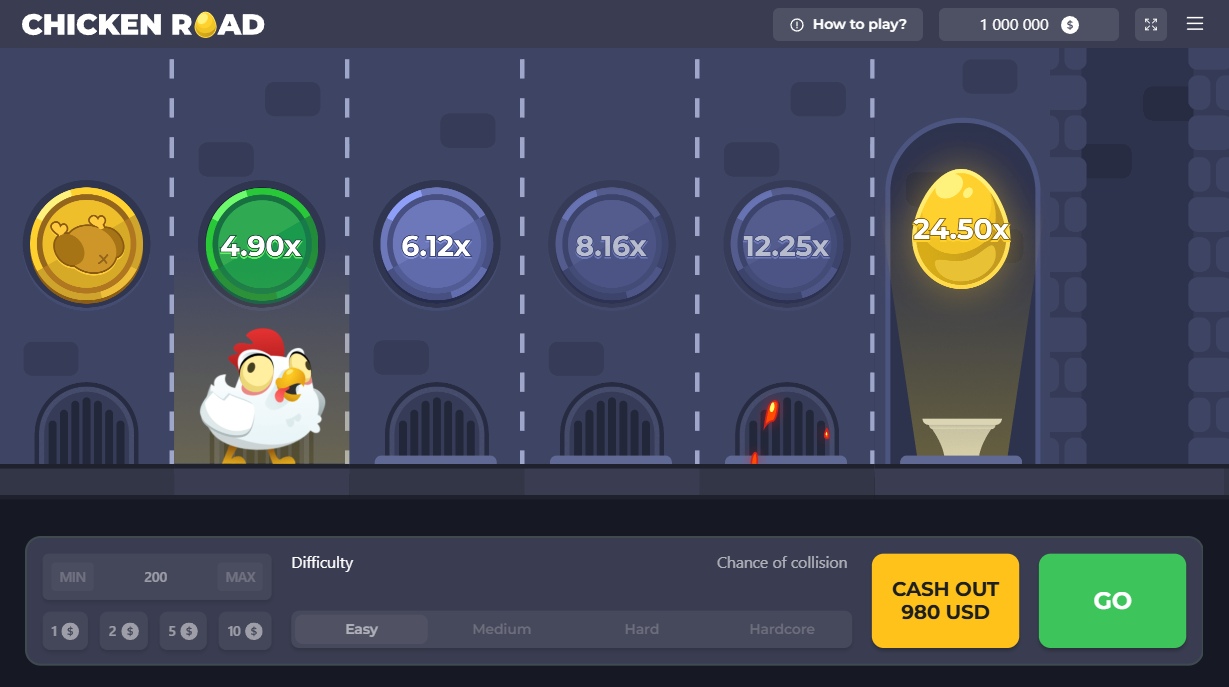
The initial question we want to know a game like Chicken Road is not about the visuals or visuals. It’s about how the game behaves across sessions. Risk level and danger level tell us if we should anticipate frequent small wins or lengthy droughts with a rare big payout. For British players controlling their funds, knowing these figures matters. Chicken Road’s farmyard theme is lighthearted, but beneath the surface conceals a surprisingly nuanced mathematical model. Let’s analyze every part of the risk level—Return to Player, grid layout, special features, top prize—so you can decide whether it suits your risk appetite.
How Volatility and Risk Rating Really Mean within Chicken Road
Volatility, often called variance, describes how a slot pays out in the short term. Low-volatility games offer frequent, lower wins. High-volatility ones deliver uncommon but significant payouts. Chicken Road falls in the medium-to-high range. That means a mix of moderate line hits and the odd big win, but also stretches where the reels go cold. You’ll see the risk rating in the game’s info panel, often shown as lightning bolts or a label similar to “high”. For UK players, that rating is a useful guide to bankroll needs and session expectations.
When we spin a medium-high volatility slot like Chicken Road, we need to expect a win frequency approximately 20% to 25%. That’s approximately one win every four or five spins, but most of those wins will be lower than our total bet. The true excitement comes from the bonus features, which can provide 50x, 100x, or more. It’s not uncommon to go 20 or 30 spins without triggering any feature, and that can quickly eat into a modest bankroll. Understanding this rhythm aids us set practical expectations and avoid frustration during dry spells.
Max Win Potential and Win Rate
Chicken Road’s top payout is limited at a considerable multiplier, usually in the region of 5,000x to 10,000x your total stake. Achieving that requires a perfect storm of high-value symbols, full wild multipliers, and a maxed-out free spins multiplier, rendering it an extremely rare event, perhaps once in several million spins. More realistically, during a standard session, the most we can expect for is a win in the range of 200x to 500x the bet. The game’s hit frequency sits around 22% to 25%, meaning approximately one in four spins will yield a payout, though the majority will be beneath the stake.
Understanding hit frequency aids regulate expectations. A 25% hit rate implies that over 100 spins, free spins Chicken Road, you could see 25 winning spins, but a lot of those will be small, maybe 0.2x or 0.5x the bet. The big wins are centered in the bonus round, which alone only initiates on roughly 0.5% to 1% of spins. That spread accounts for why you can withstand long sequences of dead spins and still end up with a net positive session if the bonus pays out. We advise holding a close eye on your balance and celebrating the small wins as they keep you in the game while you bide time for the feature to access the game’s full potential.
Special Features That Enhance or Stabilize Volatility
The free spins feature is the heart of Chicken Road’s high-volatility draw. Hit three, four, or five scatter symbols any place on the reels to trigger it, awarding 10, 15, or 20 free spins in order. During the round, a progressive multiplier may increase by one with every winning cascade or each new scatter that shows up. The multiplier can reach as high as 10x or more, turning even a modest combination into a substantial payout. Because the free spins can be reactivated, you can link together a long sequence of spins with an ever-growing multiplier, unlocking the maximum win potential.
Beyond free spins, Chicken Road features wild symbols that can show up with 2x or 3x multipliers in the base game, bringing an extra layer of variability. Some versions of the game may feature a “Road Crossing” pick-and-click bonus, where you select from a grid of hidden prizes to show instant cash awards or additional multipliers. These features take place rarely, so they amplify volatility rather than smoothing it, producing memorable moments that can rescue a losing session. The gamble feature, if offered, lets you bet a win for a chance to double it, but we caution that this can quickly grow losses.
RTP and Its Connection with Volatility in Chicken Road
Return to Player (RTP) is the calculated percentage of all wagered money that a slot rewards over a huge number of spins. Chicken Road’s RTP generally sits between 95.5% and 96.5%, which is normal for modern video slots at UK-licensed casinos. Remember, RTP doesn’t determine short-term results. A game with 96% RTP can yet eat up your bankroll in minutes if volatility is high and chance isn’t on your side. The RTP figure merely informs us that, over millions of spins, the house edge is around 4%.
The interaction between RTP and volatility misleads many players. High RTP plus high volatility means the game rewards a reasonable share overall, but those rewards come in rare, large payouts. In Chicken Road, the main part of the RTP is given through the bonus features and top symbol combinations. That can result in long losing streaks that appear worse than the RTP suggests, but a single big win can recover much of the deficit. We always suggest checking the specific RTP setting in the game’s help file, because some operators may provide slightly different configurations.
How the Farmyard Theme and Game mechanics Affect Volatility
At first glance, Chicken Road’s lively farmyard environment, including squawking hens, eggs, and a gravel country lane, might imply a light-hearted, low-risk adventure. But the theme is actually a clever wrapper for a math engine that depends hard on its bonus rounds for the greatest thrills. The base game symbols are low-paying card royals and higher-value farm objects like a tractor, a barn, and the chicken herself. These can form winning combinations across the ways-to-win grid, but the payouts from regular symbols are purposely modest. That focuses the volatility in the special features.
The core gameplay loop is all about landing scatter symbols to unlock the free spins round. The scarcity of that trigger is what really defines the slot’s risk profile. In our experience, the bonus activates about once every 150 to 200 spins on average, though individual sessions can vary wildly. That means we often spend long stretches grinding through base game spins that yield only small returns, building anticipation for the moment we finally cross the road. The design intentionally creates tension between the calm, pastoral visuals and the high-variance math underneath, making every bonus trigger feel like a big event.
Columns, Rows, and Paths to Win: The Core Basis
Chicken Road uses a 5-reel, 3-row grid with 243 ways to win. There are no standard paylines; wins take place whenever corresponding symbols land on neighboring reels from left to right. This structure enhances the frequency of small wins because any left-to-right sequence counts, but the symbol values are graded so only the premium icons and wilds pay more than your stake. The 243-ways mechanic gives a hit rate that feels immersive in the base game, but the real volatility remains behind the necessity for multiple high-value symbols or wilds to line up at once.
The paytable displays a clear order: five chickens pay the most, then the tractor, barn, and egg basket, while the card royals provide minimal returns. The wild symbol, a golden egg or a rooster, substitutes for all regular symbols and can appear stacked on certain reels, increasing the chance for multi-way wins. The scatter, usually a road sign, activates the bonus round and pays regardless of the ways-to-win mechanic. Since the base game maximum win without wild multipliers is fairly capped, we depend on the scatter to access the high-volatility part of the game’s design.
How to Approach Chicken Road with a Risk-First Mindset
Before dedicating real money, we highly advise exploring the demo version of Chicken Road, which is commonly available at UK online casinos. Free play enables you to experience the volatility personally without financial pressure, giving you a feel for how regularly the bonus activates and how the bankroll fluctuates. Once you transition to real-money play, the first step is to open the game’s information screen and confirm the RTP and volatility rating. Then determine your bet size in line with your session budget, and look into utilizing the autoplay function with a loss limit to avoid emotional decisions during a cold streak.
During play, we deem it beneficial to follow a disciplined approach: after a significant win, decrease your bet size or cash out a part of your profits to guarantee gains. If you reach your pre-set loss limit, quit. Chasing losses in a medium-high volatility slot like Chicken Road can cause rapid bankroll depletion because the game’s math is designed to produce extended losing runs. Bear in mind, no betting pattern or strategy can affect the RTP or volatility; the only factor we control is how much we wager and for how long. By regarding each spin as a separate event and adhering to a plan, we can savor the farmyard adventure wisely.
Wager Range and Money Management for Risk-Aware Players
Chicken Road suits a wide range of players with a bet range that commonly starts at £0.10 or £0.20 per spin and can reach £100 or more for high rollers. Because of the medium-high volatility, betting at the lower end lets you explore the game’s rhythm without depleting your balance fast. We recommend a session bankroll of at least 150 to 200 times your bet size. For example, spinning at £0.20 with a bankroll of £30 to £40 provides you with a solid buffer to weather dry spells and have enough spins to trigger the bonus.
Changing your bet size doesn’t change the underlying volatility or RTP, but it directly affects the monetary swings you experience. A £1 spin can yield a £500 win during a hot streak, but it can also deplete a £100 balance in under ten minutes if the reels go cold. We always suggest setting a hard loss limit before you start and using any responsible gaming tools the casino offers, like reality checks and deposit limits. For UK players, viewing Chicken Road as paid entertainment rather than a profit-making venture is the best approach, and careful stake selection is the first step toward responsible play.
Contrasting Chicken Road’s Risk Rating to Different Popular Slots
To set Chicken Road’s risk rating into context, compare it to established titles in the UK market. Low-volatility slots like Starburst deliver a smooth experience with common small wins, perfect for casual play but without the adrenaline of big payouts. At the other extreme, high-volatility games like Dead or Alive 2 or San Quentin can deliver colossal wins but also have brutal dry spells that try even the most patient players. Chicken Road rests securely in the medium-high bracket, similar to Book of Dead or Bonanza, where the base game supplies enough action to keep you engaged, but the real excitement is saved for the bonus round.
This placement makes Chicken Road an outstanding choice for players who seek a blend between entertainment and win potential. The farmyard theme and playful animations soften the psychological impact of the variance, making the wait for the free spins feel less severe. While it may not suit those who prefer the steady drip of low-volatility games, it offers a engaging middle ground that repays patience with the possibility of a memorable payout. Knowing where Chicken Road lands on the volatility spectrum helps you select the right game for your mood and bankroll, making sure every session stays fun and within your comfort zone.